About Key West
A tiny island with a ridiculously big story.
At the end of the Overseas Highway, where the road finally runs out, you'll find an island unlike anywhere else in America.
Key West is only a few square miles, but somehow it has collected centuries of sailors, soldiers, fishermen, cigar makers, presidents, writers, artists, treasure hunters, eccentrics and people who simply decided they didn't want to live anywhere else.
Its location between the Atlantic, Gulf and Caribbean made Key West important long before anyone thought of frozen drinks or sunset celebrations. The island grew into a prosperous maritime town, became a strategic military base, welcomed generations of Cuban immigrants, inspired some of America's greatest writers and eventually developed the wonderfully independent personality it still has today.
The City of Key West was officially incorporated in 1828. By the 19th century, its harbor and proximity to heavily traveled shipping routes had turned it into an important maritime center.
From Shipwrecks to Riches ⚓
Long before tourism became Key West's economic engine, there was wrecking.
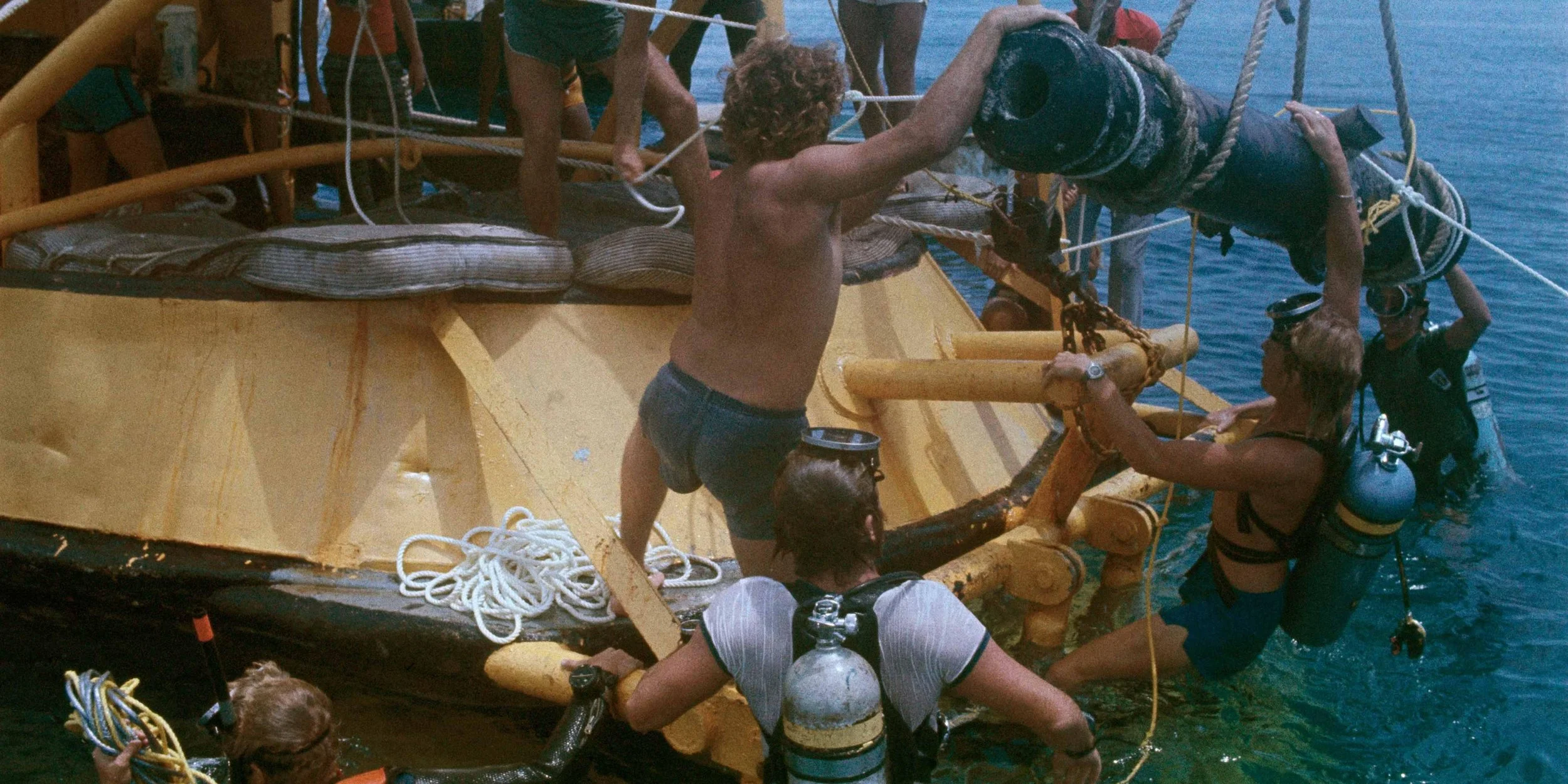
The Florida Reef was treacherous for ships navigating between the Atlantic, Caribbean and Gulf of Mexico. When vessels wrecked, Key West wreckers raced to rescue passengers and salvage cargo. The recovered goods were brought back to Key West, appraised and auctioned, with wrecking crews receiving part of the salvage value.
It created fortunes. Captain John Huling Geiger, whose home is now the Audubon House, became one of the wealthiest men in the Keys through the maritime and wrecking trades.
That history helps explain something you'll notice walking around Old Town today: remarkably elaborate wooden homes on an island that once seemed impossibly remote.
Discover the Audubon House and Key West's wrecking era
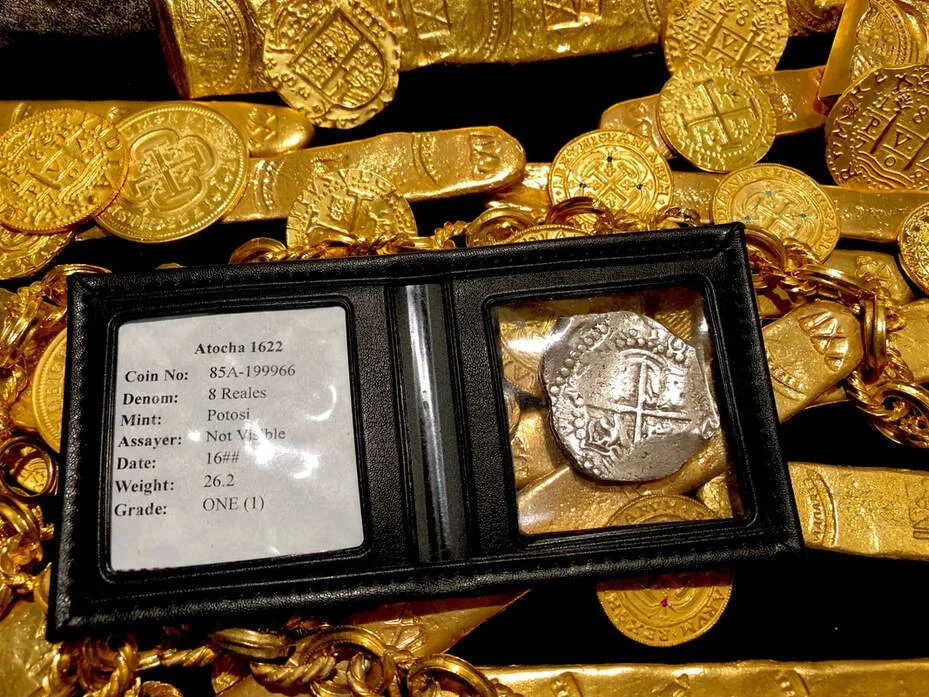
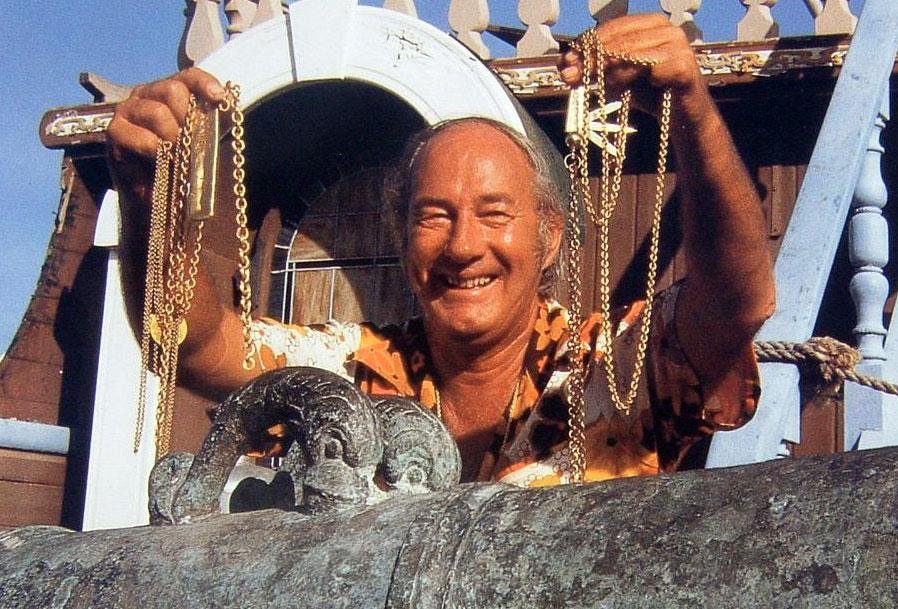
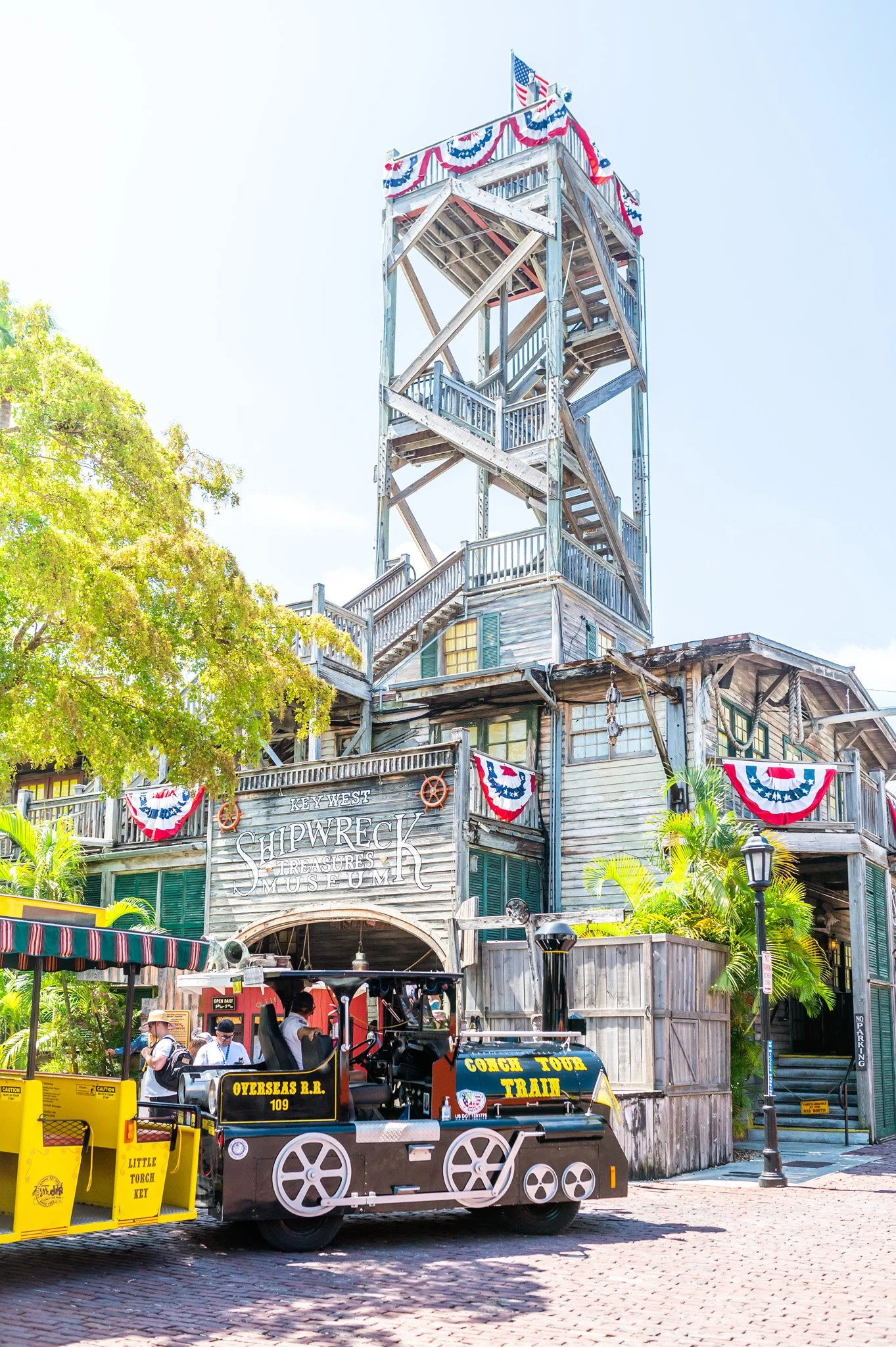
The Mel Fisher Maritime Museum focuses heavily on maritime archaeology and the 1622 Spanish fleet, including the Atocha, while the Key West Shipwreck Treasure Museum dives into Key West’s wrecking era and the Isaac Allerton.
Want to explore Key West's treasure-hunting past?
🏴☠️ Mel Fisher Maritime Museum – Spanish Treasure & the Atocha
⚓ Key West Shipwreck Treasure Museum – The Wreckers of Old Key West
Mel Fisher gives visitors the Spanish treasure-hunting story, while the Shipwreck Museum explains why shipwrecks and salvage were so important to Key West itself. Together they connect the pieces beautifully.
Cuba, Cigars & the Making of Key West
Key West's story is inseparable from Cuba, only about 90 miles away.
During the 19th century, Cuban immigration transformed the island. Cigar manufacturing became a major industry, and Key West developed deep cultural, political and economic connections with Havana.
Those connections weren't always peaceful. During Key West's catastrophic Great Fire of 1886, more than 600 houses and numerous cigar factories were destroyed. Historical accounts have even suggested that the fire may have been deliberately set to disrupt Key West cigar workers who supported Cuban independence from Spain, although that theory has never been conclusively established.
That Cuban influence never disappeared. You can still find it in Key West's architecture, food, coffee, music and unmistakably Caribbean rhythm.
Then Somebody Built a Railroad Across the Ocean 🚂
One of the craziest chapters in Key West history arrived courtesy of railroad magnate Henry Flagler.
Flagler spent more than $30 million of his own money extending the Florida East Coast Railway across the Keys. More than 4,000 workers helped build what many considered an impossible engineering project.
On January 22, 1912, Flagler's Overseas Railway finally reached Key West.
For the first time, the island was connected to mainland America by rail.
Then nature intervened.
The devastating 1935 Labor Day Hurricane destroyed sections of the railroad. It was never rebuilt. Parts of its route and bridges ultimately helped create the Overseas Highway that brings visitors into Key West today.
Read the story of Flagler's Overseas Railway
Key West Goes to War
Key West's military history runs surprisingly deep.
The U.S. Navy established a presence here in 1823, partly to protect shipping from piracy. During the Civil War, Key West remained under Union control despite Florida joining the Confederacy. Its harbor became an important base for the Union blockade.
Fort Zachary Taylor, begun in the 1840s, guarded Key West's strategically important harbor through the Civil War and later conflicts.
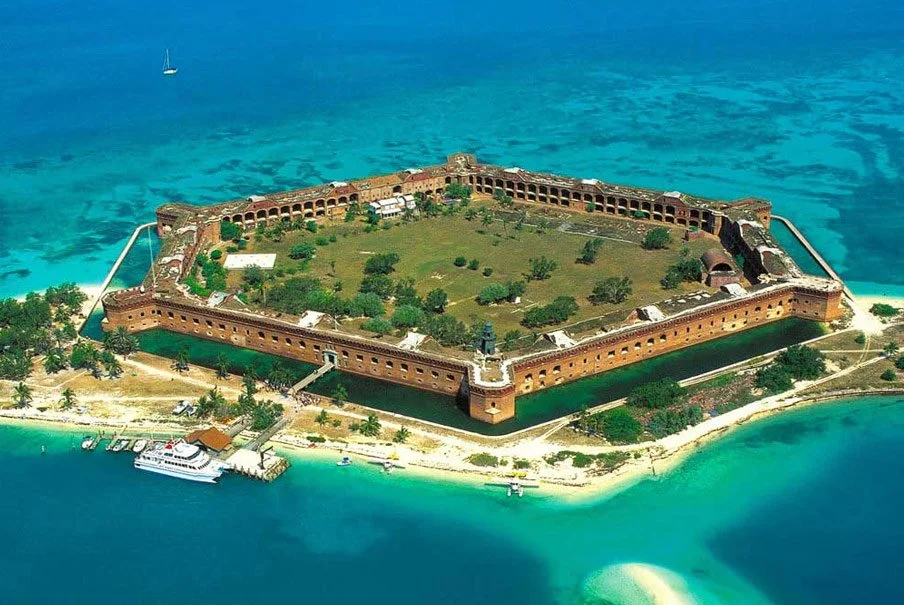
Farther west lies an even more improbable sight: Fort Jefferson, the massive brick fortress in today's Dry Tortugas National Park. Construction began in 1846, but the enormous fort was never fully completed. During and after the Civil War it also served as a military prison. One famous inmate was Dr. Samuel Mudd, imprisoned for his connection to John Wilkes Booth following Abraham Lincoln's assassination.
Explore Dry Tortugas and Fort Jefferson
Presidents Discovered Key West Too 🇺🇸
One president became particularly attached to the island.
Harry S. Truman first came to Key West in 1946. Between 1946 and 1952, he spent 175 days living and working here during 11 presidential visits. His retreat became known as the Little White House.
This wasn't simply a vacation cottage. Truman conducted government business here, and in 1948 the Joint Chiefs of Staff met at the property during discussions that became known as the Key West Agreement, helping define responsibilities within America's postwar military establishment.
Other presidents associated with the property include William Howard Taft, Dwight Eisenhower, John F. Kennedy, Jimmy Carter and Bill Clinton.
Visit the Truman Little White House
The Writers Found Paradise ✍️
Maybe there's something in the salt air.
Few small American cities have attracted so many important writers.
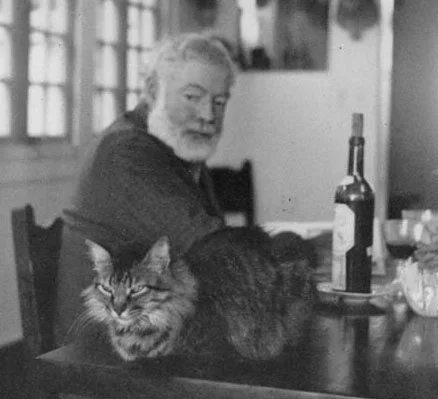
Ernest Hemingway first arrived in Key West in 1928. He and Pauline Hemingway eventually made the island their home, purchasing the famous Whitehead Street house in 1931. Hemingway fished the surrounding waters, drank with friends, traveled frequently between Key West and Cuba, and incorporated Key West people and places into his writing, particularly To Have and Have Not.
His former home is now one of the island's most famous attractions, complete with descendants of the celebrated six-toed cats associated with Hemingway.
Explore the Hemingway Home & Museum
Then came Tennessee Williams.
Williams visited and lived in Key West beginning in 1941 and remained connected to the island until his death in 1983. He purchased his Duncan Street home in 1950 and lived there for more than three decades. He is believed to have completed the final draft of A Streetcar Named Desire while staying at Key West's La Concha Hotel.
Learn about Tennessee Williams in Key West
Pulitzer Prize-winning poet Elizabeth Bishop also made Key West home. She purchased an eyebrow house on White Street in 1938 and found inspiration in the island's tropical plants, wildlife, architecture and culture.
Key West's literary orbit has also included Robert Frost, Wallace Stevens, John Dos Passos and generations of writers who followed.
And Then Key West Became Its Own Country 😂
This may be the most Key West story ever told.
In 1982, the U.S. Border Patrol established a roadblock on U.S. 1 leaving the Keys. The resulting traffic jam and disruption infuriated local residents and tourism businesses.
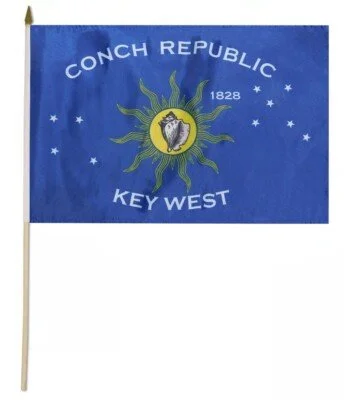
So on April 23, 1982, Key West Mayor Dennis Wardlow announced that the Florida Keys were seceding from the United States.
The Conch Republic was born.
The new republic declared war on the United States and then quickly surrendered, subsequently seeking foreign aid. The stunt attracted enormous national attention and became part of Key West's identity.
The Conch Republic lives on today as a celebration of the Keys' independence, humor and refusal to take themselves too seriously.
Read the official story of the Conch Republic
Places That Tell the Story
You can actually walk through much of this history.
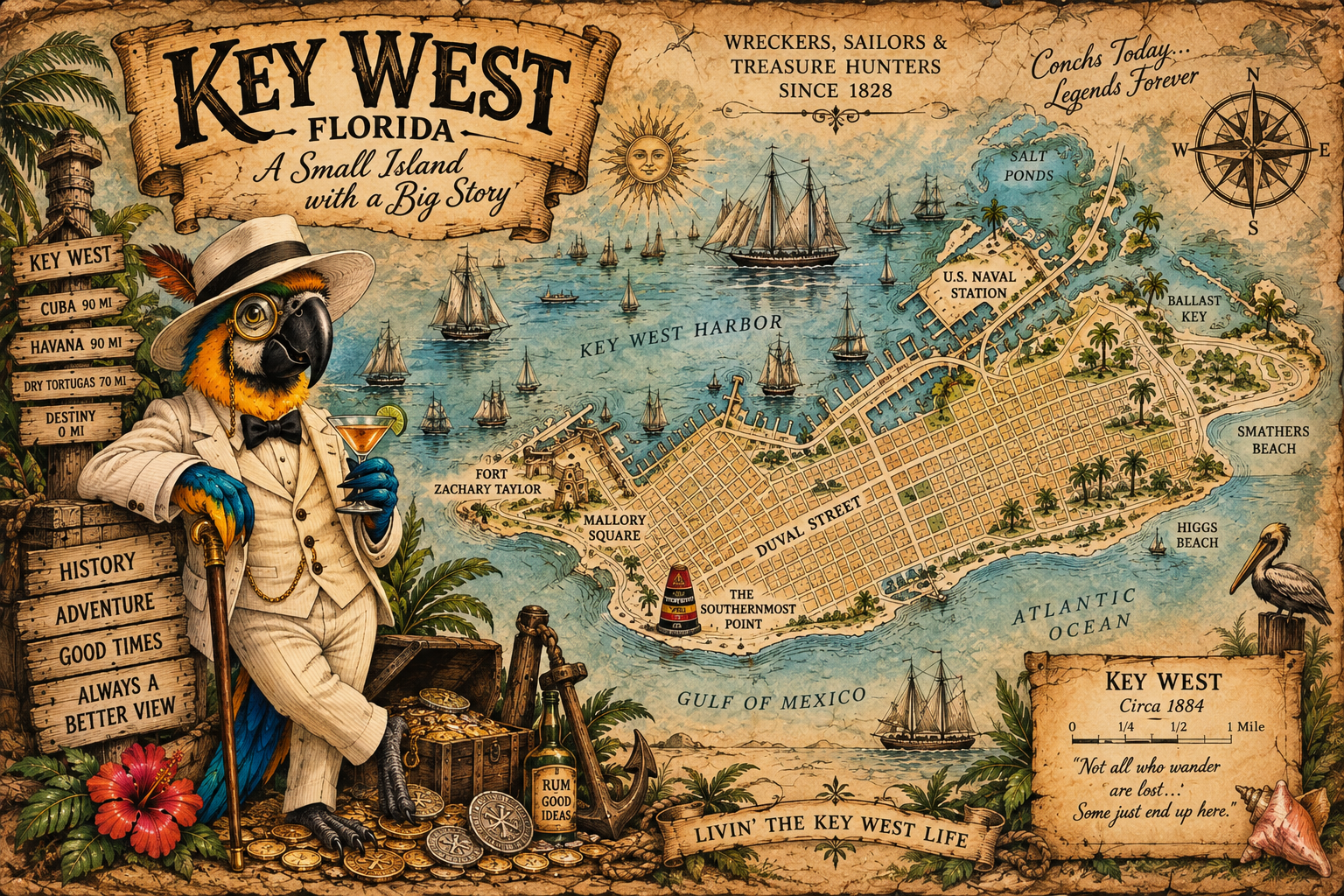
Mallory Square began as part of Key West's working waterfront and eventually became the gathering place famous today for its nightly sunset celebration. The surrounding area also preserves pieces of the island's maritime and communications history.
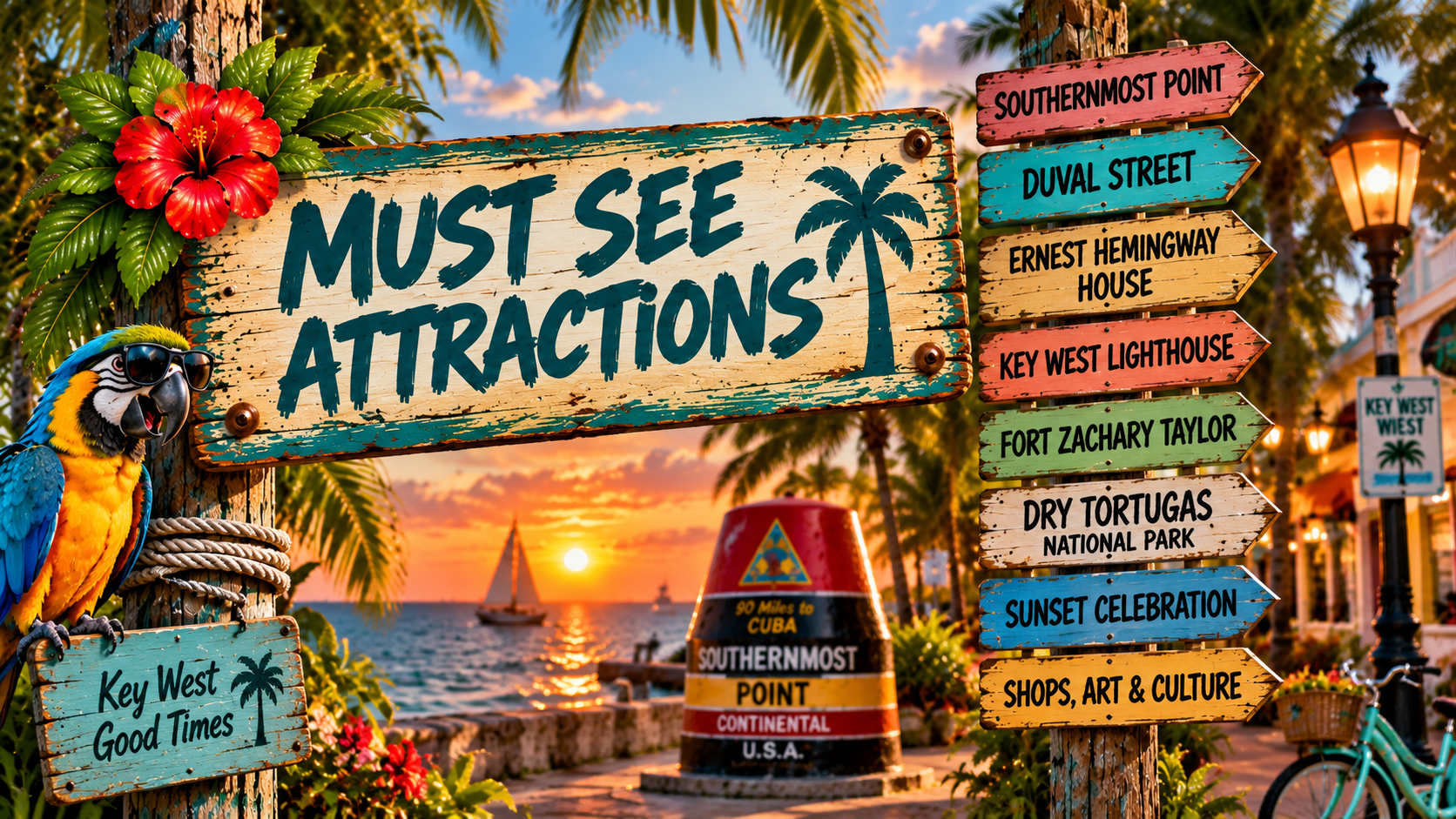
The Southernmost Point buoy became one of Key West's most recognizable symbols and celebrates the island's position near the southern edge of the continental United States.
Fort Zachary Taylor recalls Key West's military importance. Hemingway's Home tells its literary story. The Truman Little White House tells its presidential story. Audubon House opens a window into the wrecking era. Dry Tortugas and Fort Jefferson tell a much larger story about shipping, defense, imprisonment and the waters surrounding the Keys.
And then there's Duval Street, where history has taken the slightly more sensible approach of opening a bar. 🌴
The City maintains a useful directory of historic sites including the Custom House, Oldest House Museum, San Carlos Institute, Fort East Martello, Fort Zachary Taylor, Audubon House and Truman Little White House.
Explore Key West's historic buildings
What Makes Key West Different?
The history explains the buildings. It doesn't completely explain Key West.
For generations this tiny island has attracted people willing to live a little differently. Bahamian settlers, Cuban cigar makers, sailors, military families, fishermen, LGBTQ residents, artists, writers, musicians, entrepreneurs and assorted characters have all contributed to the culture.
The city's own description of its values centers on diversity and the idea of “One Human Family,” along with preservation of its history and natural environment.
Key West manages to be historic without feeling trapped in history. Beautiful without being polished smooth. Weird without trying particularly hard to be weird.
You can spend the morning snorkeling a reef, the afternoon walking through Hemingway's writing studio, watch the sun disappear from Mallory Square, eat Cuban food for dinner, hear live music spilling onto Duval Street and somehow end the night talking to somebody you've never met like you've known them for years.
That's Key West.
And that's exactly why The Tipsy Parrot calls it home.
🌴 Welcome to the End of the Road 🌴